
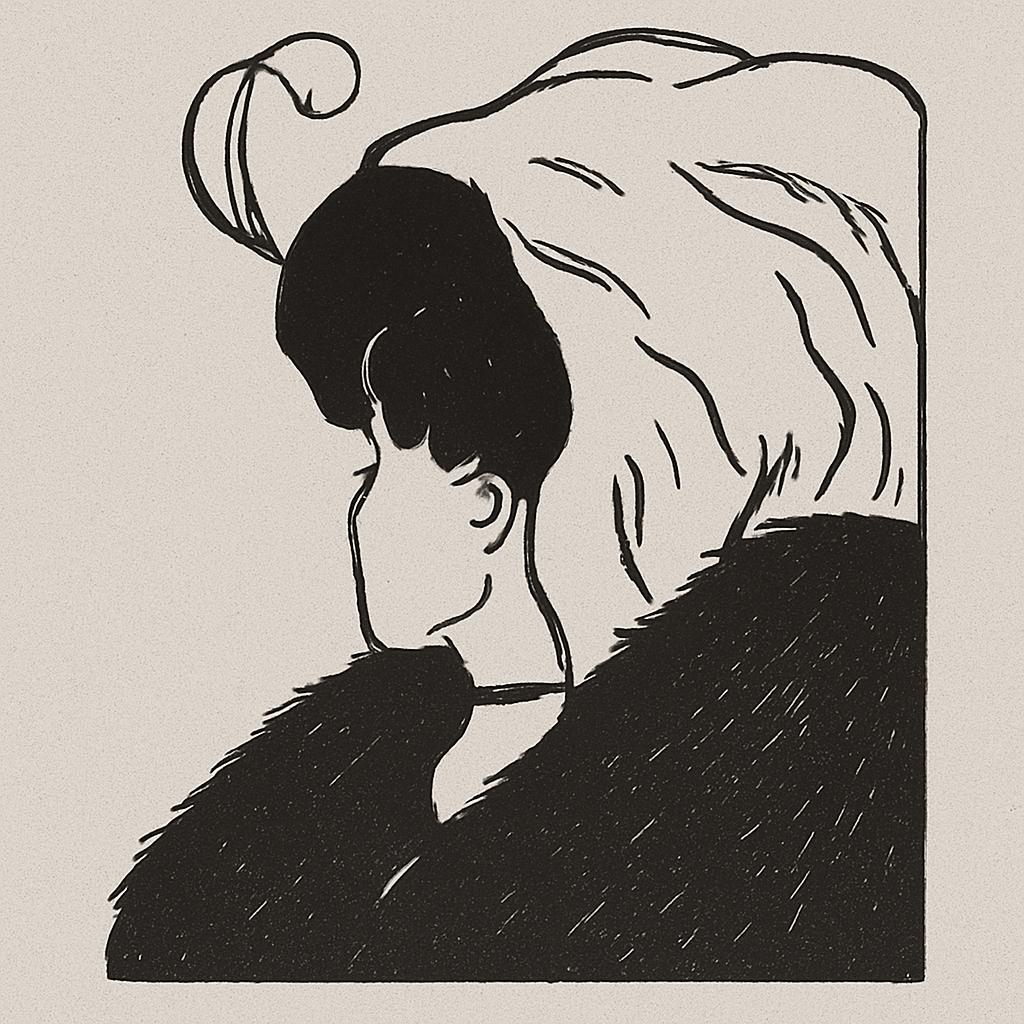
Introduction
For many Americans, particularly those in historically dominant groups, life is often navigated without ever bumping into the walls others face every day. These invisible barriers (unwritten rules, unspoken judgments, and systemic obstacles) shape outcomes in education, healthcare, employment, housing, and justice. Yet because they don’t always show up as overt discrimination, they can be easy to miss if you’ve never experienced them firsthand.
But they are real, and once you begin to see them, you can’t unsee them. This is about learning how to look more closely.
What Are Invisible Barriers?
Invisible barriers are the systemic and cultural forces that limit people’s access to opportunities, rights, and safety, especially along lines of race, gender, class, ability, sexuality, and religion. They often aren’t always laws or policies. Often, they’re habits, assumptions, norms, or biases that play out beneath the surface.
Examples include:
- A job applicant with a “foreign-sounding” name being overlooked, despite having equal or better qualifications.
- A Black teenager being followed in a store while white teens are left alone.
- A woman being interrupted in meetings or passed over for leadership, even if she’s more experienced.
- A building without ramps, elevators, or closed captioning, subtly excluding disabled people.
- A queer student hearing their identity talked about like a problem, rather than a person.
- Invisible barriers are not about individual intent.
- They are about impact. They are about outcomes that show us something isn’t working equitably.
Where Do These Barriers Exist?
The short answer: almost everywhere.
- Education
- School discipline policies disproportionately affect students of color.
- Advanced courses may not be offered in schools with higher populations of Black or low-income students.
- LGBTQ+ students may hear slurs regularly while faculty remain silent.
- Healthcare
- Black patients are less likely to receive adequate pain treatment due to racist myths about pain tolerance.
- Trans people may face medical providers who refuse care or lack training on their needs.
- Language barriers and lack of transportation keep many families from routine care.
- Employment
- Equal opportunity on paper doesn’t always lead to equitable hiring.
- Networking is often limited to those already “in the room.”
- Dress codes, hair policies, and even the “professionalism” standard can carry racial and class bias.
- Criminal Justice
- Black drivers are disproportionately stopped, searched, and charged compared to white drivers.
- Wealth often determines legal outcomes more than guilt or innocence.
- Bail systems punish poverty. Policing punishes neighborhoods already underserved.
Why Don’t We See Them?
Because they were never meant to be visible to everyone.
If you’ve never faced a closed door, you may not notice the door closing on the person behind you.
If your name, skin tone, or identity has never counted against you, you may not realize someone else’s always does.
Privilege isn’t about guilt. It’s about perspective.
Many of us were taught a version of history and fairness that focused on legal rights, not lived realities. We were told the playing field was level once laws were changed. But the truth is, laws alone can’t undo deeply embedded systems, beliefs, and power structures.
Recognizing invisible barriers does not mean you’ve never struggled with your own.
You may have faced deep pain, trauma, or hardship in your own life.
You may have known what it’s like to feel locked out, because of your body size, your disability, your family’s income, your education level, your mental health, or your social status.
Oppression is not one-dimensional.
But those who live at the intersections of these identities, such as: Black + poor, queer + disabled, undocumented + trans, often suffer most, because the barriers multiply. Their experiences are compounded, not isolated.
This isn’t about comparison. It’s about compassion.
It’s about seeing that we all exist within overlapping systems, and some of us carry far more weight just to be seen, heard, or safe.
How Can We Begin to See the Barriers?
1. Listen to Lived Experiences
Trust people when they tell you how the world treats them. You don’t have to relate to validate.
2. Examine Outcomes
Look at statistics, disparities, and patterns. They tell the story even when people stay silent.
3. Educate Yourself Beyond the Textbooks
Read books by Black, Indigenous, disabled, queer, and marginalized writers. Learn the stories schools left out.
4. Reflect on Your Own Journey
Ask: What doors opened for me without resistance? Where was I assumed safe, capable, or honest when others aren’t?
5. Interrupt and Speak Up
Once you see injustice, challenge it. Even small corrections, like “Actually, I don’t think that’s fair” plant seeds for change.
Conclusion: Seeing Isn’t Shame. It’s Power.
You don’t have to carry shame for being born into advantage.
But you do carry a responsibility once you recognize that advantage exists.
Invisible barriers persist because we were trained not to see them.
But they begin to fall when we choose to learn, listen, and lead with compassion.
Once you see the whole picture, you can help redraw it.
 Little Blue Texans
Leave a comment